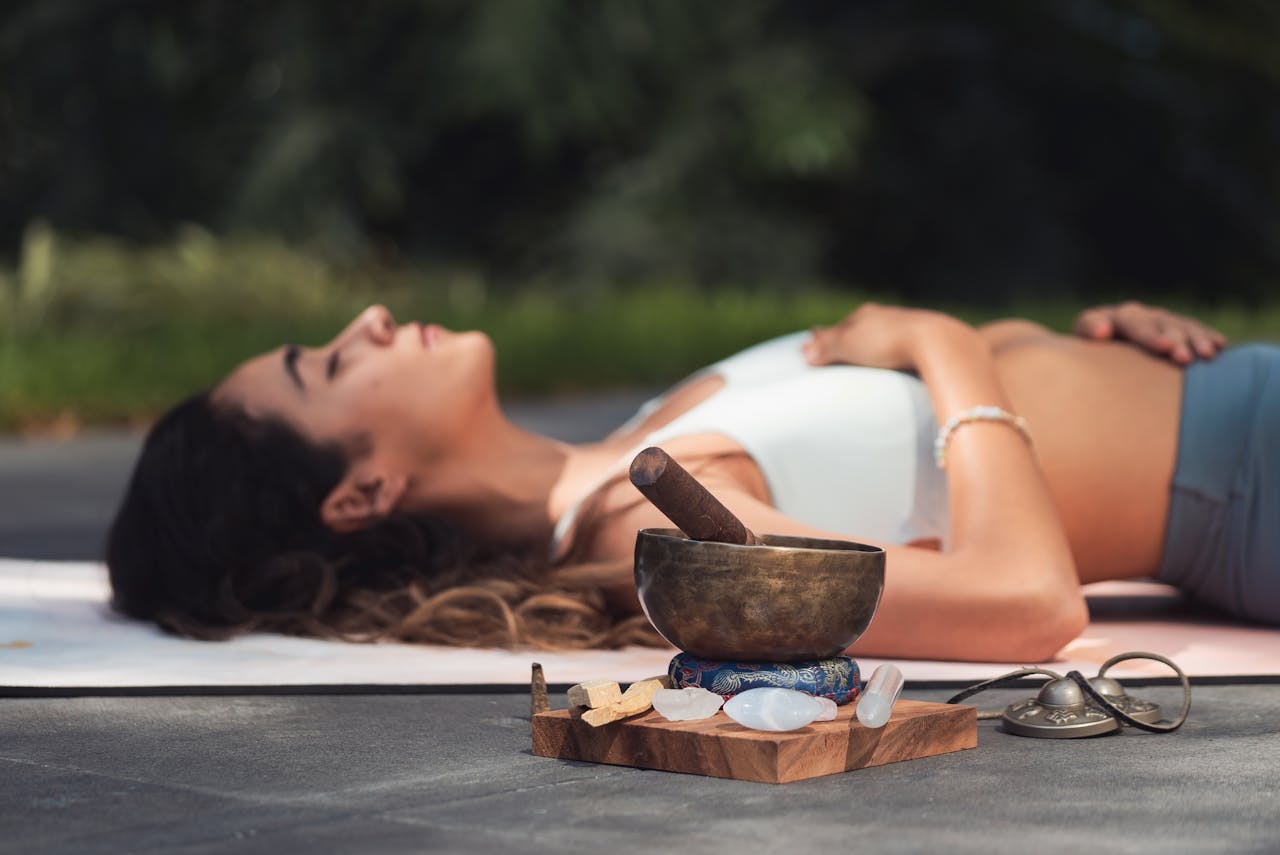
Just like you might have a first-aid kit for physical health, a mental wellness toolkit helps you respond to stress, anxiety, and emotional overload in a healthy, proactive way. It’s a personalized set of practices, reminders, and resources you can turn to when life feels heavy—because mental well-being requires just as much attention as physical wellness.
In this post, you’ll learn what to include in your toolkit and how to build one that actually works for you.
🧩 What Is a Mental Wellness Toolkit?
A mental wellness toolkit is a collection of supportive strategies and tools—physical, emotional, digital, or spiritual—that help you maintain balance, cope with challenges, and stay grounded. It’s not about perfection or being happy all the time. It’s about having healthy go-to options when you’re overwhelmed, unmotivated, anxious, or mentally drained.
🛠 1. Include Calming Techniques for Stress Relief
Purpose: To soothe your nervous system in real time.
Ideas:
- Deep breathing exercises (e.g., 4-7-8 breathing or box breathing)
- Progressive muscle relaxation
- Guided meditations (use apps like Calm or Insight Timer)
- Aromatherapy (lavender or eucalyptus essential oils)
- Listening to calming music or nature sounds
Even just 3–5 minutes of calm can shift your mental state significantly.
📝 2. Add Tools for Self-Reflection
Purpose: To process thoughts and emotions without judgment.
Ideas:
- Journaling prompts like “What am I feeling right now?” or “What do I need today?”
- Gratitude list (3 things you’re thankful for)
- Mood tracker or feelings log
- Voice notes or mind dumps when journaling isn’t possible
Reflection helps bring clarity and awareness, especially during emotional overwhelm.
🏃 3. Don’t Forget Movement-Based Outlets
Purpose: To physically release emotional tension and boost endorphins.
Ideas:
- Short walks in nature
- Gentle yoga or stretching
- Dance or movement to music
- Workout routines or sports you enjoy
Moving your body can be one of the fastest ways to reset your mind.
📚 4. Keep a List of “Reset” Activities
Purpose: To shift your energy and break mental ruts.
Ideas:
- Reading a comforting book
- Taking a hot shower or bath
- Cleaning or organizing a small space
- Doing something creative (drawing, crafting, baking)
- Calling a supportive friend
Think of these as “mental refreshers” that bring you back to the present moment.
📲 5. Use Digital Tools Mindfully
Purpose: To have on-demand support without increasing screen stress.
Helpful apps:
- Headspace – meditation and mindfulness
- Moodpath or Sanvello – mood tracking and CBT-based exercises
- Spotify – calming playlists or focus-enhancing music
- Pinterest board of positive quotes, art, or affirmations
Just be intentional: set time limits so your digital tools don’t become digital distractions.
🤝 6. Include People and Support Systems
Purpose: To remind you that you’re not alone.
Ideas:
- List of people to reach out to when struggling (friends, family, mentor, therapist)
- Contact info for professional support (mental health helplines, counselors)
- Notes or letters from loved ones that lift you up
Sometimes, connection is the most powerful form of self-care.
🛎 7. Customize Based on What You Need
There’s no one-size-fits-all mental wellness kit. What calms, motivates, or uplifts you might not work for someone else—and that’s okay.
Ask yourself:
- What makes me feel grounded when I’m anxious?
- What lifts my mood when I feel stuck?
- What tools help me process strong emotions in a healthy way?
Over time, update your toolkit as your needs change.
Conclusion:
A mental wellness toolkit is an act of self-respect and emotional preparedness. It helps you face hard days with more clarity and care, reminding you that you do have resources—within and around you.
Start building your toolkit today. You don’t need every item—just a few that resonate. Place them somewhere accessible (a journal, a box, a phone folder), and come back to them whenever you need a reset.