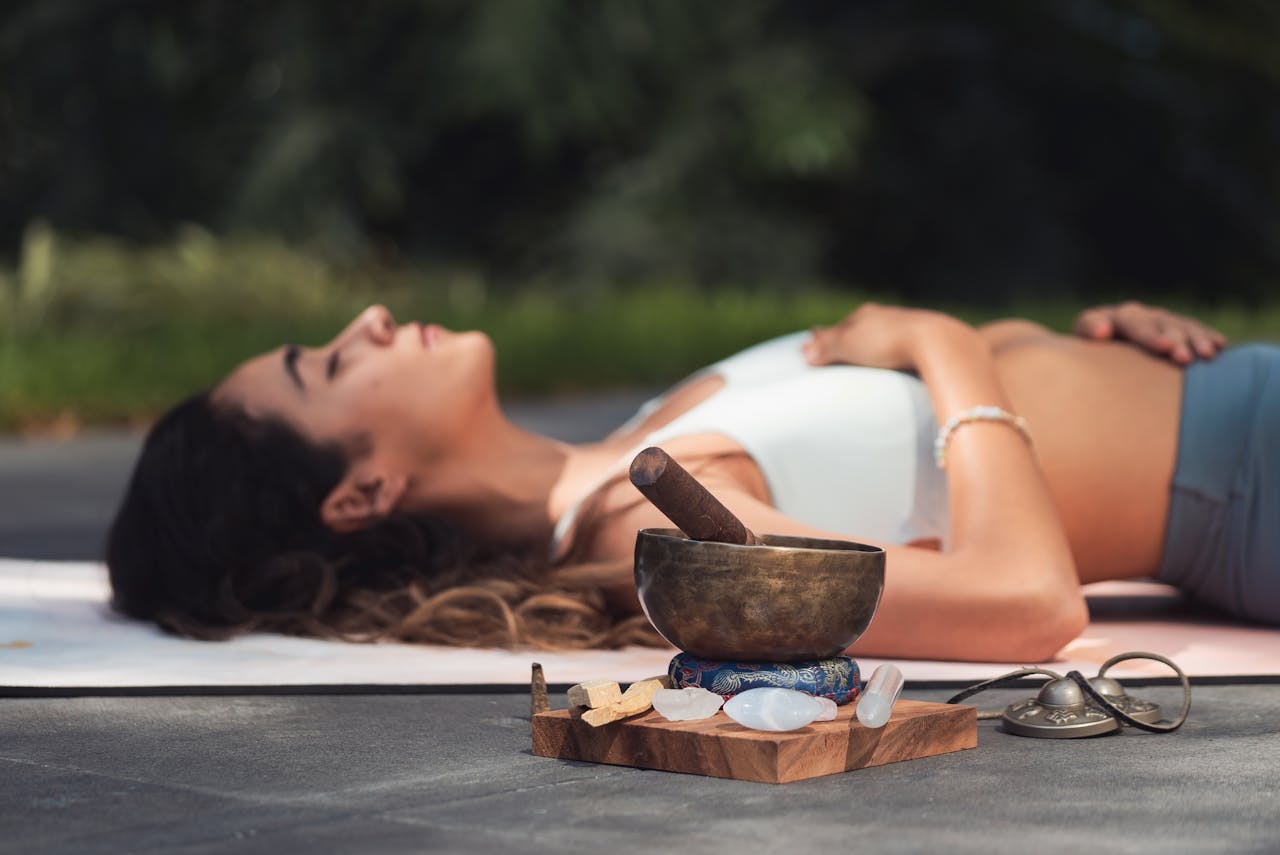
When we hear “exercise,” many of us picture intense gym sessions or punishing routines. But movement doesn’t have to be about burning calories or chasing a perfect physique. Instead, it can be a form of self-respect—a way to support not only physical health but also mental clarity, emotional balance, and inner connection.
This post explores five forms of purposeful movement that promote mind-body wellness and can be tailored to your energy, mood, and goals.
🧘 1. Yoga – For Flexibility, Calm, and Connection
Why it matters:
Yoga blends breath, movement, and mindfulness, making it one of the most holistic forms of exercise. It improves flexibility, posture, and muscle tone, while also calming the nervous system and reducing stress.
Mental health benefits:
- Eases anxiety and depression
- Encourages present-moment awareness
- Balances emotions and energy
Try this:
- Morning sun salutations to awaken the body
- Evening restorative yoga for relaxation
- Online classes from Yoga with Adriene or local studios
🚶 2. Walking – The Most Underrated Form of Movement
Why it matters:
Walking is accessible, gentle, and incredibly effective. It supports cardiovascular health, boosts circulation, and gives your mind space to wander or reset.
Mental health benefits:
- Reduces brain fog
- Lowers cortisol (stress hormone)
- Enhances creativity and problem-solving
Try this:
- A short walk after meals for digestion
- A “walking meditation” where you focus on your steps and breath
- A 20-minute stroll during a podcast or phone call
🏋️ 3. Strength Training – For Confidence and Resilience
Why it matters:
Lifting weights or using resistance bands strengthens muscles and bones, supports joint health, and boosts metabolism. But more than that, it helps build mental strength and a sense of capability.
Mental health benefits:
- Increases endorphins (natural mood boosters)
- Builds self-esteem and body confidence
- Reduces symptoms of depression
Try this:
- Bodyweight workouts at home (push-ups, squats, planks)
- Light dumbbells or resistance bands
- 2–3 sessions per week for 20–30 minutes
💃 4. Dancing – For Joy, Expression, and Emotional Release
Why it matters:
Dance connects us to music, rhythm, and emotion. It’s not about getting it “right”—it’s about freedom of expression and joy through movement.
Mental health benefits:
- Releases pent-up stress and emotion
- Elevates mood instantly
- Enhances creativity and spontaneity
Try this:
- Solo dance parties in your room
- Follow-along videos (e.g. Zumba or Just Dance)
- Join a class in a style you enjoy—salsa, hip-hop, contemporary
🏞 5. Outdoor Activities – For Natural Movement and Reconnection
Why it matters:
Nature has a profound calming effect. Combining movement with outdoor environments enhances both physical and emotional health. Think of it as exercise + therapy in one.
Mental health benefits:
- Boosts vitamin D and immunity
- Reduces symptoms of anxiety
- Helps regulate mood and sleep
Try this:
- Hiking, biking, or swimming in nature
- Gardening or nature walks
- Forest bathing (shinrin-yoku), a Japanese practice of mindful time in green spaces
🤸♂️ Final Thoughts: Move for the Feeling, Not the Outcome
Movement doesn’t have to look a certain way to “count.” It’s not about weight loss, competition, or intensity—it’s about how it makes you feel. Whether you’re stretching for 5 minutes, dancing in your kitchen, or lifting weights at the gym, the right kind of movement nourishes your whole self: body, mind, and soul.
Conclusion:
When you move with purpose, exercise transforms from a chore into a form of self-care. Choose the styles of movement that speak to you and match your mood, then weave them into your weekly rhythm. Your body will grow stronger, your mind clearer, and your heart lighter.