Physical activity is one of the key pillars of good health. It keeps your body strong, your heart healthy, your weight in check, and your mind clear. Regular movement isn’t just about fitness—it’s about preventing disease and improving your quality of life.
🔍 Why is Physical Activity Important?
Improves Heart and Lung Health
Regular cardio (aerobic) activity strengthens your heart and lungs.
It lowers the risk of heart disease, high blood pressure, and stroke.
Builds Muscle and Bone Strength
Strength training keeps your muscles strong and your bones dense.
It helps prevent injuries, joint pain, and age-related muscle loss.
Controls Weight
Physical activity burns calories and increases metabolism.
When combined with healthy eating, it helps with weight loss or maintaining a healthy weight.
Boosts Mental Health
Exercise releases endorphins—natural chemicals that make you feel good.
It can reduce stress, anxiety, and depression, and improve sleep.
Improves Balance and Flexibility
Regular movement helps prevent falls, especially as you age.
It keeps your joints and muscles functioning well.
🧘♀️ Types of Physical Activity (Mix of All is Best)
Type of Exercise Benefits Examples
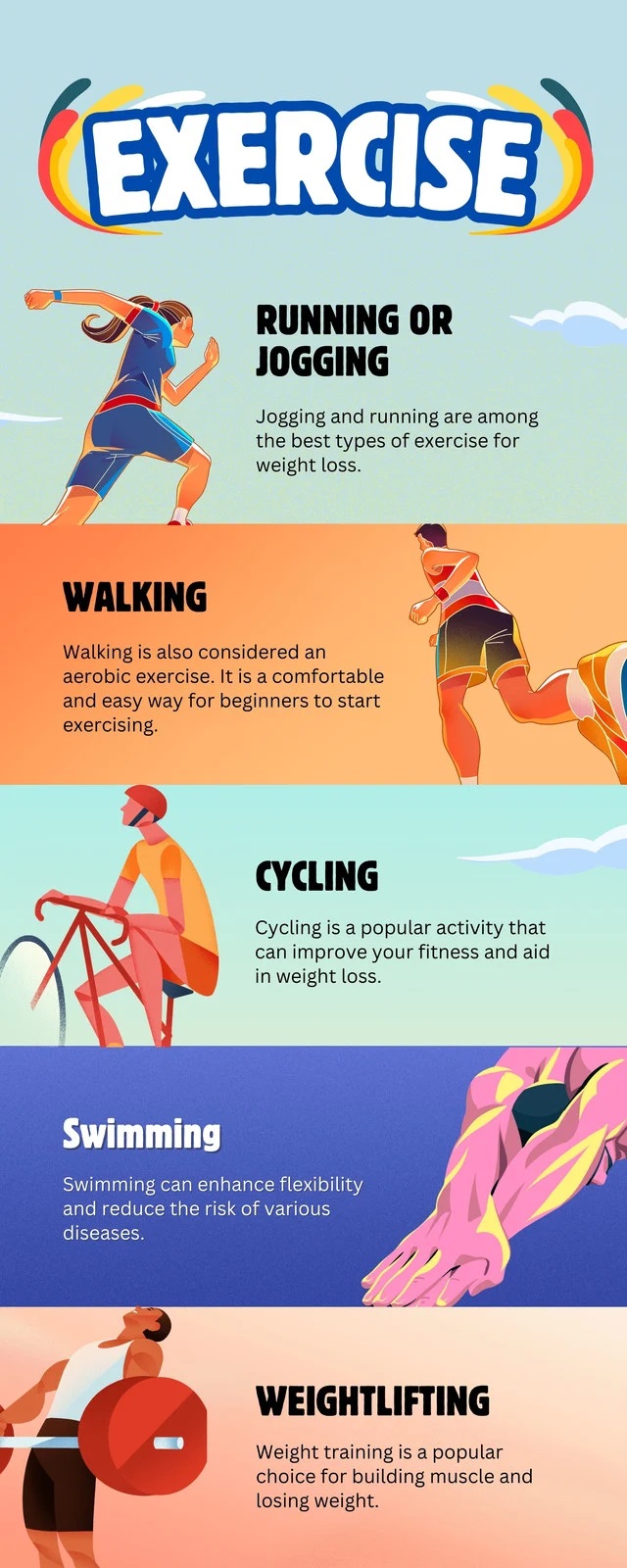
Aerobic (Cardio) Improves heart & lung function Brisk walking, running, cycling, swimming
Strength Training Builds muscle & bone strength Weight lifting, resistance bands, bodyweight exercises like squats, push-ups
Flexibility Training Enhances joint movement, reduces stiffness Stretching, yoga, tai chi
Balance Exercises Helps prevent falls, especially in older adults Standing on one leg, heel-to-toe walk
📅 How Much Exercise Do You Need?
According to health experts (like the WHO and CDC), adults should aim for:
150–300 minutes of moderate-intensity aerobic activity per week (e.g., brisk walking).
OR at least 75 minutes of vigorous activity (e.g., running, HIIT workouts).
Muscle-strengthening activities on 2 or more days per week.
Stretching or flexibility exercises at least 2–3 times per week.
That means just 30 minutes a day, 5 days a week, of walking or similar activity can make a huge difference.
🧩 Tips to Stay Active Every Day
Start Small and Build Up
Begin with 10–15 minutes a day if you’re new to exercise.
Slowly increase time and intensity.
Choose What You Enjoy
Dancing, sports, nature walks, or even gardening can be great workouts.
You’re more likely to stick with something you find fun.
Make it a Routine
Set a specific time each day to exercise—like early morning or after work.
Use reminders or apps to stay on track.
Move Throughout the Day
Take stairs instead of the elevator.
Do quick stretches or short walks during breaks.
Avoid sitting too long—stand up every hour.
Stay Motivated
Exercise with a friend or join a group class.
Track your progress and celebrate small wins.
Set clear, realistic goals (e.g., “Walk 5,000 steps daily for the next 2 weeks”).
⚠️ A Few Safety Tips
Warm up before and cool down after every session to avoid injury.
Wear proper shoes and clothing.
Stay hydrated.
If you have a medical condition, consult a doctor before starting a new exercise plan.